Functional Fitness

crossfit, fitness, functional health, transformation

Tiffany's avatarQuiet Gardens & Raging Seas

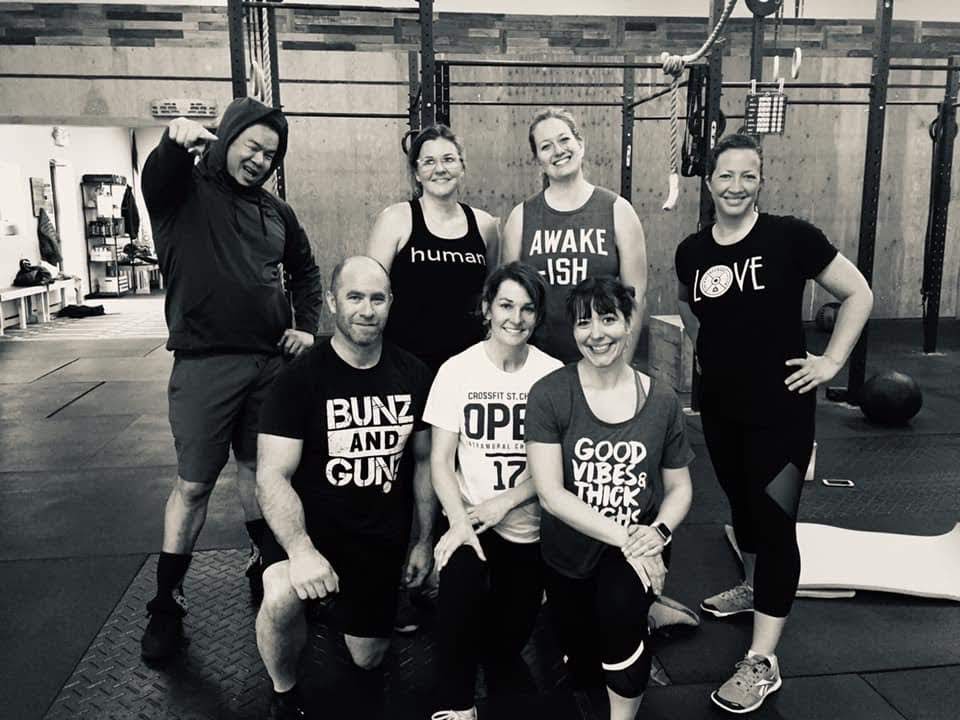
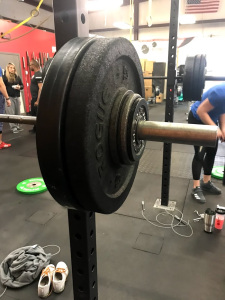
In August of 2017, my friend Jessie who is a Coach at a local Crossfit gym, invited me and back squat weightsseveral friends to a class she was teaching that was starting in September called Get Fit! I had tried a number of things over the years of young motherhood to manage my diet and fitness, like running and yoga and learning more about how to cook and eat in a balanced manner. I had run a number of 5K and 10K races and I frequently would run my energetic dog for exercise.
I was very intrigued by Crossfit when I started to meet more and more women who were involved in it and who had transformed their physical appearance by working out at Crossfit gyms. I had previously assumed this was a guy thing and that it would be ridiculously hard-too hard for me to ever succeed at as…

View original post 1,007 more words
Overtraining Syndrome (OTS)

Overtraining syndrome is a complex group of symptoms that is characterized by an athlete who has been training hard & suddenly experiences poor performance or burn out.  OTS can lead to musculoskeletal injuries due to overuse.  For example; muscle strains, sprains, tendinopathy, synovitis, bursitis, bruises & joint dysfunctions.  High frequency and/or high intensity exercises performed for a long period of time produces excessive bouts of stress on the body.   Overtraining is your body’s way of saying it is exhausted.  It cannot cope with the psychological stress because your body has beens stressed for too long of a period.  This syndrome can last for 6 months if you turn a blind eye to its symptoms.  

Signs & Symptoms of Overtraining:

- Decreased Performance  - Fatigue
- Loss of motivation     - Feeling of depression/moodiness
- Insomnia               - Change in appetite
- Nauseous               - Decrease in body weight
- Loss of Strength       - Muscle Tenderness
& coordination           - Elevated Resting Heart Rate &/or- Headaches                BP
- Upper Respiratory      - Overuse injuries
Infections

Treatment:

The best way to treat this is to properly plan out your fitness routine out.  Using cyclical & periodization training is ideal.  These training plans mean alternating heard, easy & moderate periods of training.  For us lifters, this means scheduling a deload/unload/detraining week into your training program if it doesn’t already have one.  (I will talk about deload/unload/detraining in another “Fit Tip” post).  Make sure you are getting enough sleep!  The average adult need 7 hours a sleep a night.  Good nutrition!  Make sure you are eating enough during the day.  Don’t forget to hydrate! And of course listen to your body.  Make sure you have at least one rest day a week!

https://cariannehunterfitness.wordpress.com/2018/12/19/overtraining-syndrome/