Motivating Movement

beauty , happy , healthy , motivation , working out

handlinghaley's avatarHandling Haley

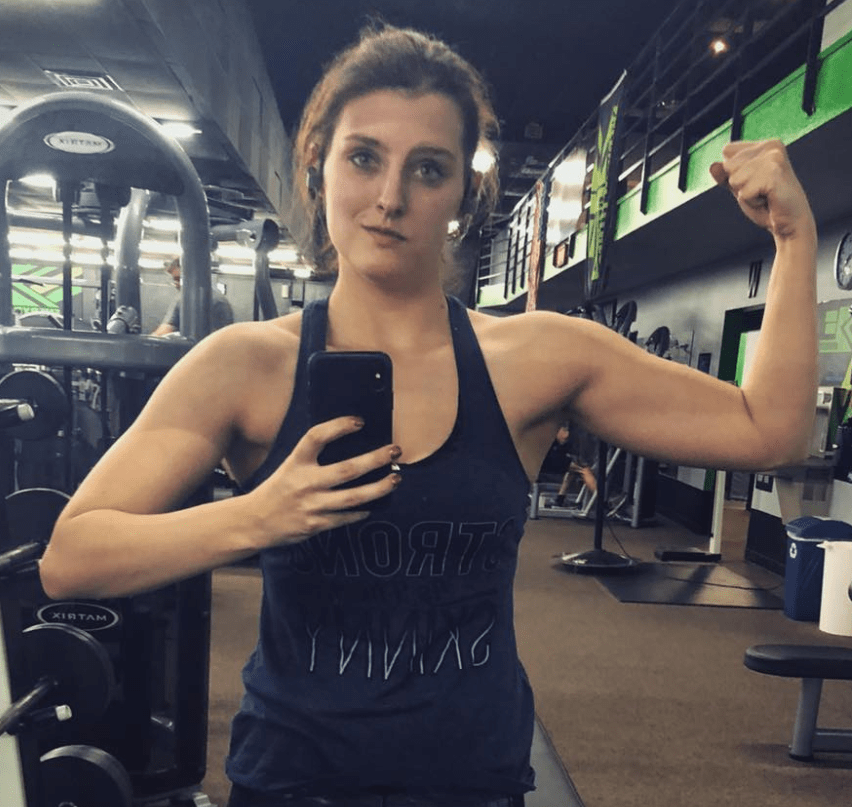
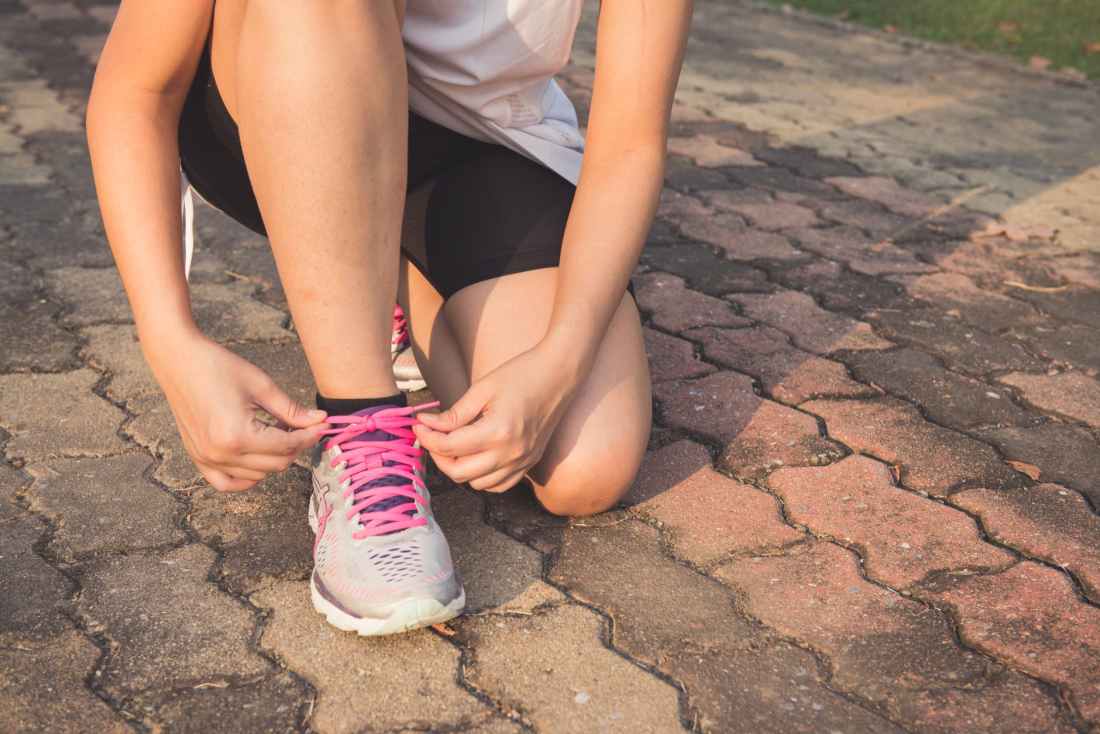
As I sit at home this morning, enjoying the snow day, I try to motivate myself to go on a run. I’ve been doing pretty good with working out. I have only taken 2 days off since the first of the year, which, I say, is reasonable. But, today I just couldn’t seem to get myself motivated.
Last night, I was looking online at clothes, and found myself avoiding adding some tops I really liked being added to my cart. I would tell myself, “maybe when you’ve lost more weight, you could try something like this.” Or seeing skirts that were my style, but short, saying “maybe when you’ve gotten down to a size 0.” And today motivating myself to run, all I could think about was being fat.


Honestly, I am by NO MEANS fat. I just struggle a lot with body image. I allowed others to determine…

View original post 330 more words

A good idea: postural stretching

fitness

Healthy Guy's avatarYourHealthUnlocked

postural stretching

A good idea: postural stretching

Practicing a regular sport activity has always been a source of well-being and comfort. We spend almost half of our energy on different daily activities. This is difficult to recover, not to mention the physical problems that are added such as back pain , muscle contraction, joint pain , etc. With gymnastics, I have always managed to find the right balance between energy expenditure and the quality of relaxation to compensate for that. But today, thanks to postural stretching, I have more than I hoped for, so I decided to share my little experience with you.

Why postural stretching?

You’ve probably heard about classic stretching, which helps to soften the body by stretching . It is true that this practice is beneficial, but it has failings to the extent that the satisfaction it brings to the body is not complete.

Let’s take a look at the benefits of postural stretching…

View original post 505 more words

You lack energy during the session? Think about pre workout

fitness

Healthy Guy's avatarYourHealthUnlocked

You lack energy during the session? Think about pre workout

You lack energy during the session? Think about pre workout

The pre-workout is as the name suggests the snack to take before the weight training session. This is the second most important “meal” of the day, completed by the post-training session. The purpose of this meal is to prepare your body for muscle damage to come, but also to ensure a good level of energy throughout your bodybuilding session.

Slow sugars before a bodybuilding session

The pre-workout intake is similar to other snacks. Unlike taking post-training, you must consume low glycemic index carbohydrates before the session (complex carbohydrates). Complex pre-workout carbohydrates provide enough energy for the entire bodybuilding session. Not to consume before the session can limit you in your training. Oatmeal, bananas (green) or wholemeal bread (chicken sandwich) are foods rich in complex carbohydrates for pre-workout.

Proteins in pre-workout

The catabolism of the muscles does not occur only during the night, but also during the session. This…

View original post 472 more words

I Am a Survivor.

acting, fitness, health, nutrition

Actually, i Am's avatarActually i Am.

Pictured (left to right): 16-year-old me, my brother Freddy, and my half-sister Kathryn

When I was 17, my older brother Freddy passed away from cancer at the age of 30. This was one of the last photos he and I took together. The day our little sister was born, and about a year before he passed.

20-year-old me

I graduated high school and moved on to college where I got lost in depression, drank alcohol at least 3 nights a week, and shoved french fries into my face during my lunch breaks. Unsurprisingly, the number on the scale went up to 165 lbs by age 20 (freshmen 15 was more of a freshmen 40)

I was interested in acting, but did not believe in myself enough to think it would be a career. Being hungover on weekends was a common occurrence. I was satisfied with working in retail for the…

View original post 426 more words

Overtraining Syndrome (OTS)

Overtraining syndrome is a complex group of symptoms that is characterized by an athlete who has been training hard & suddenly experiences poor performance or burn out.  OTS can lead to musculoskeletal injuries due to overuse.  For example; muscle strains, sprains, tendinopathy, synovitis, bursitis, bruises & joint dysfunctions.  High frequency and/or high intensity exercises performed for a long period of time produces excessive bouts of stress on the body.   Overtraining is your body’s way of saying it is exhausted.  It cannot cope with the psychological stress because your body has beens stressed for too long of a period.  This syndrome can last for 6 months if you turn a blind eye to its symptoms.  

Signs & Symptoms of Overtraining:

- Decreased Performance  - Fatigue
- Loss of motivation     - Feeling of depression/moodiness
- Insomnia               - Change in appetite
- Nauseous               - Decrease in body weight
- Loss of Strength       - Muscle Tenderness
& coordination           - Elevated Resting Heart Rate &/or- Headaches                BP
- Upper Respiratory      - Overuse injuries
Infections

Treatment:

The best way to treat this is to properly plan out your fitness routine out.  Using cyclical & periodization training is ideal.  These training plans mean alternating heard, easy & moderate periods of training.  For us lifters, this means scheduling a deload/unload/detraining week into your training program if it doesn’t already have one.  (I will talk about deload/unload/detraining in another “Fit Tip” post).  Make sure you are getting enough sleep!  The average adult need 7 hours a sleep a night.  Good nutrition!  Make sure you are eating enough during the day.  Don’t forget to hydrate! And of course listen to your body.  Make sure you have at least one rest day a week!

https://cariannehunterfitness.wordpress.com/2018/12/19/overtraining-syndrome/


Bringing Things into Balance: The Relationship Between Low Back Pain and the Pelvic Floor

lower back pain, pelvic floor

bbpt1's avatarBeyond Basics is an international leader in pelvic floor physical therapy located in Midtown and Downtown Manhattan.

By: Katie Parrotte, PT, DPT, OCS, CFMT

Back Pain or Fitness (2)The Occurrence of Low Back Pain

Low back pain is the most common cause of disability and lost work time among working-age adults in industrialized countries (1). In fact, the worldwide prevalence of chronic low back pain has been estimated to be 11.9% of the population on a given day, and 23.2% of the population in a one-month period (2). That is a significant number of people! Determining effective treatments for low back pain can be challenging for various reasons: 1. there are no clearly defined risk factors that predict the development or outcome of low back pain; 2. most patients do not present with any significant findings physiologically or anatomically; 3. and pain can generate and spread at numerous locations within the nervous system, and can constantly change (1).

Treatment of Low Back Pain

There are many challenges associated with low back…

View original post 869 more words

My Favorite Way to Exercise Mentally and Physically

yoga, classes, benefits

clearlyclaireblog22's avatarClearlyClaire

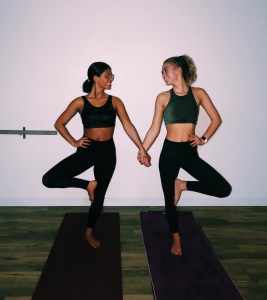
I’ve written about it before, but I can never talk about it enough. What is my favorite type of exercise? Yoga! I find time throughout my week that allows me to go to Fusion Yoga at least once or twice. 

What happens at Yoga?

I only participate in the heated classes, because I feel those give me the best practice. The room can be up to 101 degrees, which is so refreshing. I try to arrive around 15 minutes before my class, and set my matt down with water, a block, and a towel. ALWAYS DRINK WATER BEFORE A HEATED CLASS! (You might regret it). We start the hour class off with finding our breath and beginning our practice. Depending on the instructor, we might do 2-3 different variations of poses, stretches, etc. When the class comes to an end, we come into “Savasana.” This is the final relaxation pose…

View original post 285 more words